
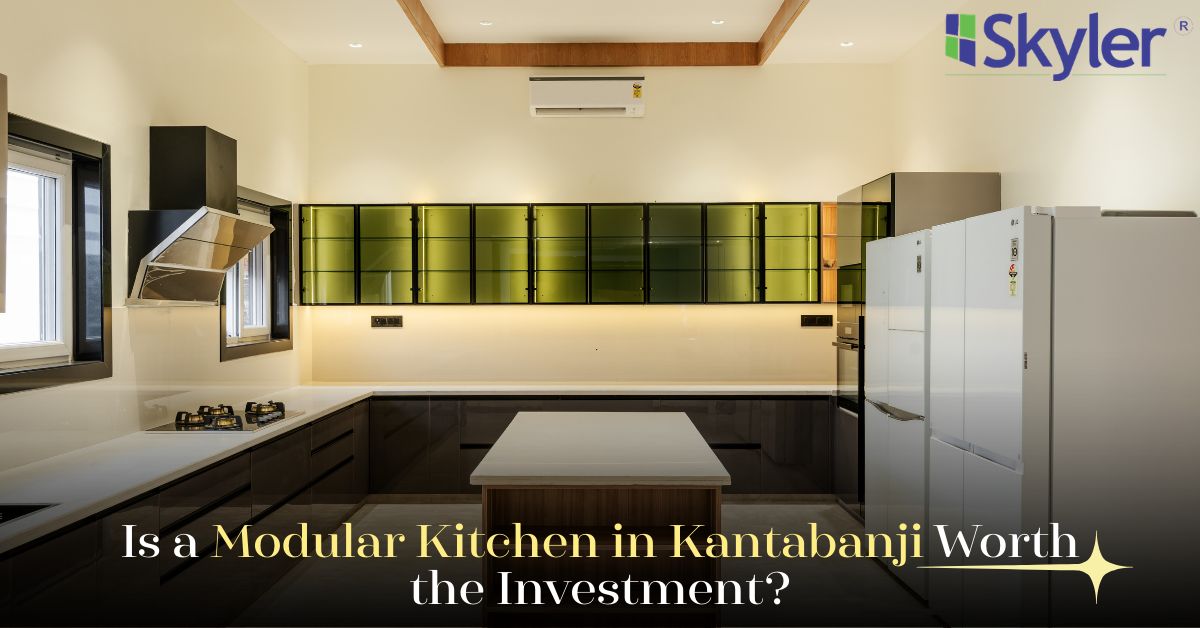
If you’re building a new home or renovating an old one in Kantabanji, chances are the kitchen has become a serious talking point. Not just “where should the stove go?” but “Should we go modular?”
It’s a fair question. A Modular Kitchen in Kantabanji isn’t exactly a small purchase, especially in a town where people are practical, value-conscious, and emotionally attached to their homes. So let’s cut through the noise, the Pinterest-perfect images, and the sales pitches—and talk honestly about whether it’s worth the money.
This isn’t about trends. It’s about day-to-day life.
Why Kitchens Matter More Than Ever in Kantabanji Homes
Traditionally, kitchens in Kantabanji were built once and expected to last decades. Cement slabs, fixed shelves, and carpenters who knew the family by name. Functional? Yes. Flexible? Not really.
But lifestyles have shifted.
- Homes are getting more compact
- Families are balancing work, kids, and health
- Cooking is no longer hidden—it’s central
- Storage needs have doubled
- Cleanliness and hygiene matter more than ever
Today’s kitchen isn’t just a cooking zone. It’s where mornings begin, where kids do homework on the counter, where evening chai turns into long conversations.
That’s where modular kitchens enter the conversation.
What Exactly Is a Modular Kitchen (And What It’s Not)
Let’s clear a common misconception first.
A modular kitchen is not just fancy cabinets.
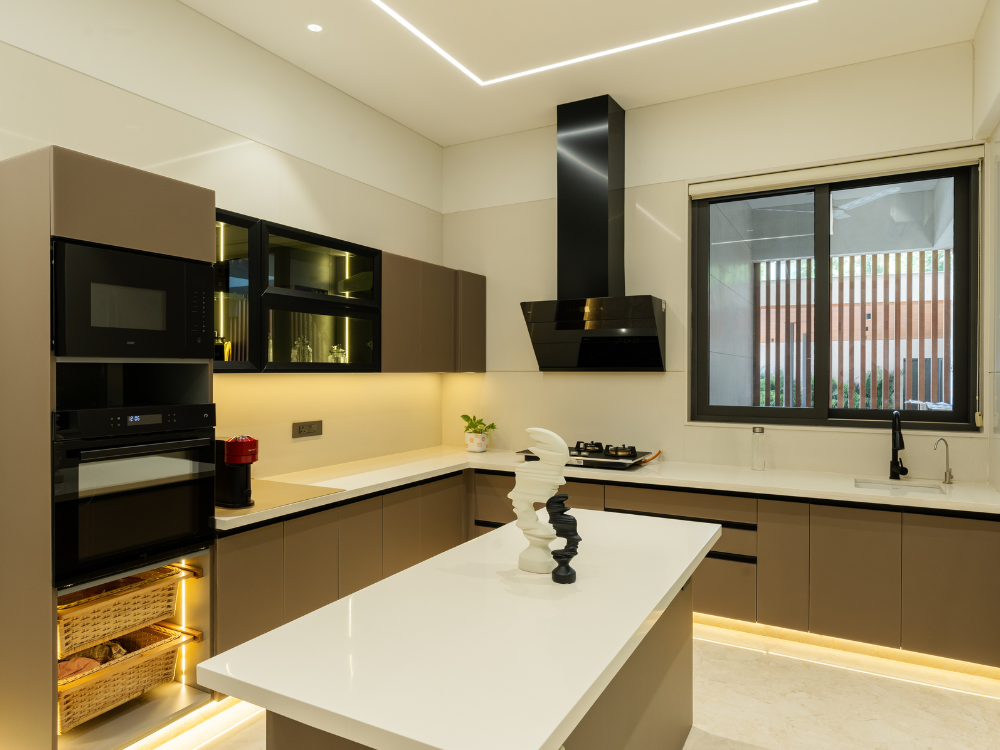
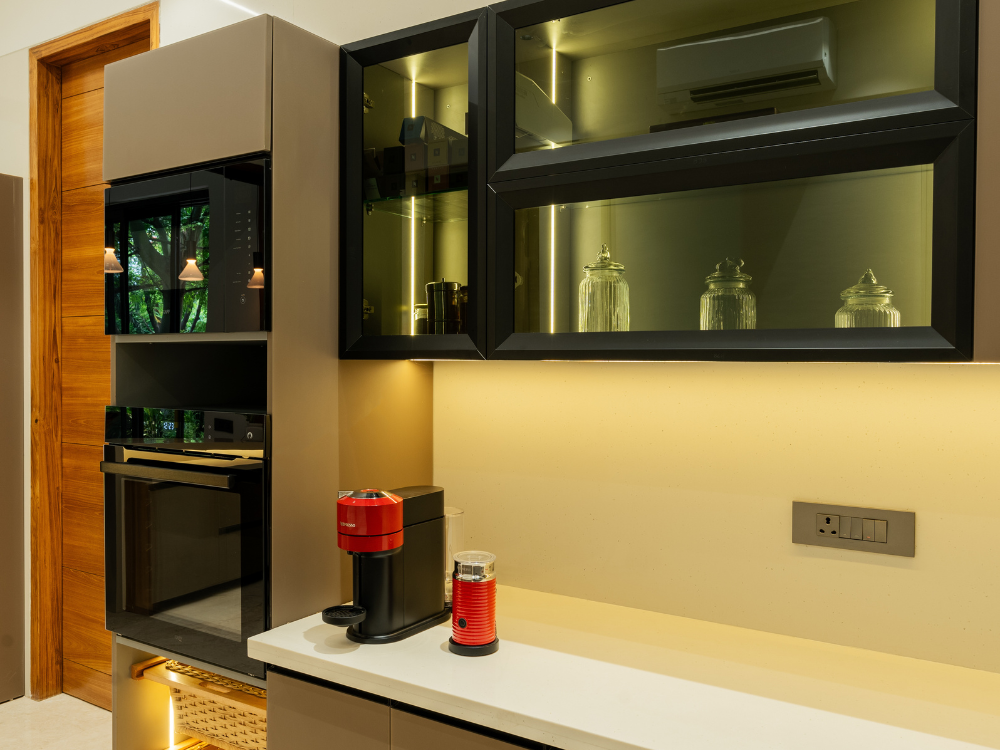
A true Modular Kitchen Design in Kantabanji is a system—built in modules—that includes:
- Pre-engineered cabinets
- Smart storage solutions
- Optimized layouts
- Durable materials
- Clean finishes
- Easy maintenance
Unlike traditional carpentry, modular kitchens are designed with precision. Every drawer, hinge, and shelf has a purpose.
Think of it as moving from a basic mobile phone to a smartphone. Both make calls—but only one fits modern life effortlessly.
The Kantabanji Reality: Is Modular Overkill Here?
This is the big question.
Kantabanji isn’t a metro. People here value return on money, not just looks. And that’s exactly why modular kitchens make sense when done right.
Here’s why they’re no longer “extra”:
1. Space Is Being Used Smarter
Plots may be generous, but kitchen areas are getting tighter—especially in newly built homes and apartments. Modular kitchens are designed to extract value from every inch.
Corner units, tall pantry cabinets, vertical storage—things that traditional carpentry often wastes—suddenly become usable.
2. Time Is a Bigger Currency Now
Families today don’t want year-long carpentry projects, dust, delays, and repeated follow-ups. Modular kitchens are installed faster, cleaner, and with fewer surprises.
3. Cleanliness Isn’t Optional Anymore
With better awareness around hygiene, pest control, and food safety, modular kitchens—especially factory-finished ones—offer smoother surfaces, sealed cabinets, and easy-to-clean materials.
Understanding Modular Kitchen Design in Kantabanji Homes
One-size-fits-all doesn’t work here. Homes in Kantabanji have their own character—and a good modular kitchen respects that.
Common Layouts That Work Well
🔹 L-Shaped Kitchens
Perfect for medium-sized homes. Keeps movement efficient and allows space for dining or extra counters.
🔹 Straight Kitchens
Ideal for compact houses or rental properties. Simple, affordable, and easy to maintain.
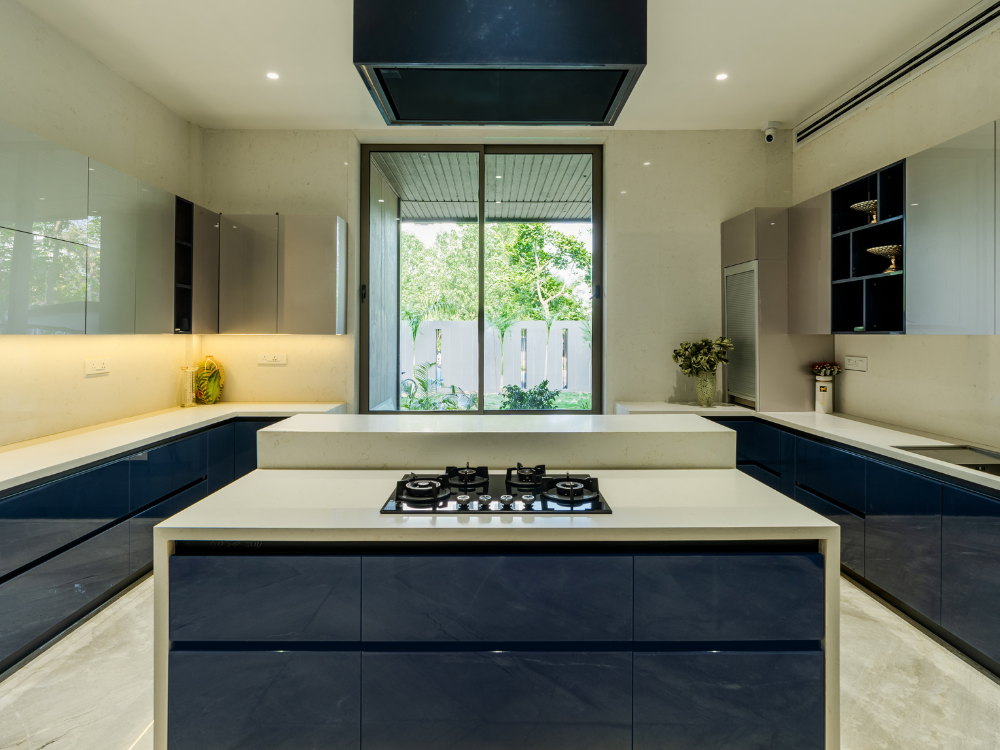
🔹 U-Shaped Kitchens
For families that cook a lot. Maximum storage, maximum efficiency.
🔹 Parallel Kitchens
Common in modern homes. Separates cooking and prep zones cleanly.
A thoughtful Modular Kitchen Design in Kantabanji considers ventilation, natural light, family size, and cooking habits—not just cabinet placement.
Cost vs Value: Let’s Talk Numbers Honestly
Here’s where most homeowners hesitate.
A modular kitchen costs more upfront than basic carpentry. That’s true.
But cost isn’t the full story. Value is.
What You’re Paying For
- Engineered materials that last longer
- Precision fittings that don’t loosen quickly
- Better load-bearing shelves
- Moisture-resistant boards
- Warranty-backed components
- Future-ready designs
Over time, these reduce repair costs, pest issues, and replacement expenses.
Many families who initially chose cheaper carpentry end up spending again within 5–7 years. Modular kitchens, when chosen wisely, age better.
What Makes the Best Modular Kitchen in Kantabanji?
Not all modular kitchens are created equal. The best ones aren’t the most expensive—they’re the most practical.
Key Features to Look For
✅ Material Quality
Look beyond glossy finishes. Ask about core materials—ply type, board thickness, moisture resistance.
✅ Hardware Matters
Soft-close hinges, smooth channels, and sturdy handles aren’t luxuries—they’re essentials.
✅ Storage Planning
Deep drawers, spice pull-outs, tall units, under-sink organizers—these change daily comfort.
✅ Ease of Maintenance
Can it be cleaned easily? Are parts replaceable? Will local service be available?
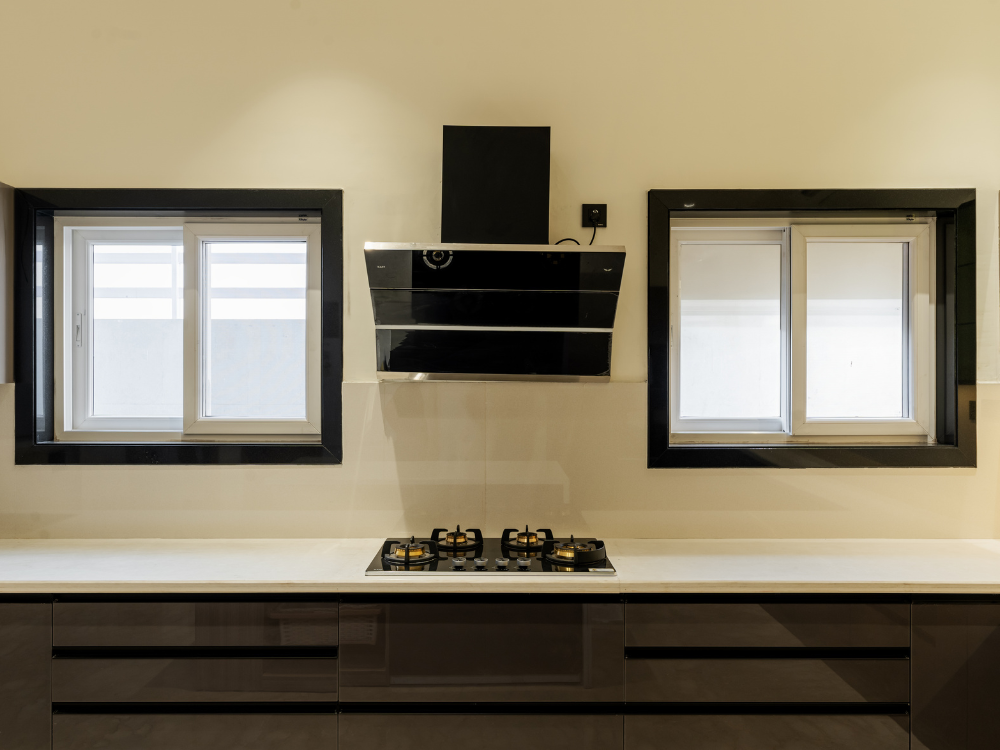
The Best Modular Kitchen in Kantabanji is one that blends into your routine so smoothly that you stop noticing it—and that’s the real win.
Common Fears (And the Truth Behind Them)
“What if something breaks?”
Modular kitchens are actually easier to repair. Individual modules can be fixed or replaced without dismantling everything.
“Is it too modern for a traditional home?”
Not at all. Designs can be classic, earthy, minimal, or modern. Modular doesn’t mean flashy—it means flexible.
“What about local availability?”
Kantabanji now has access to better suppliers, designers, and service networks than ever before. The gap with bigger cities is shrinking fast.
Real Stories from Kantabanji Homes
A young couple building their first home wanted a kitchen that felt open but didn’t overshoot the budget. By choosing a simple L-shaped modular layout with neutral finishes, they got a clean, airy kitchen that felt bigger than it actually was.
Another joint family upgraded from a traditional setup to a modular one after years of dealing with pests and storage issues. The difference wasn’t just visual—it changed how multiple people could cook together comfortably.
These stories repeat for one simple reason: thoughtful design improves everyday living.
Modular Kitchen vs Traditional Kitchen: A Quick Reality Check
| Aspect | Traditional Kitchen | Modular Kitchen |
| Installation Time | Long | Fast |
| Finish Quality | Depends on carpenter | Consistent |
| Storage Efficiency | Limited | Optimized |
| Maintenance | Frequent | Low |
| Flexibility | Fixed | Modular |
| Long-Term Value | Medium | High |
FAQs: Modular Kitchen in Kantabanji
1. How long does a modular kitchen last?
With good materials and proper use, a modular kitchen can last 15–20 years comfortably.
2. Is a modular kitchen suitable for small homes?
Absolutely. In fact, small homes benefit the most from smart modular storage.
3. Can modular kitchens be customized?
Yes. Layout, color, finish, storage—all can be tailored to your needs.
4. Are modular kitchens easy to clean?
Very. Smooth surfaces, sealed cabinets, and organized storage reduce mess and effort.
5. Does a modular kitchen increase property value?
Yes. A well-designed kitchen significantly improves resale appeal.
Final Verdict: Is It Worth the Investment?
If you’re looking at your kitchen as a long-term living space, not just a construction checkbox, then yes—a Modular Kitchen in Kantabanji is absolutely worth the investment.
It’s not about showing off.
It’s about living better.
Cooking is easier.
Storing smarter.
Cleaning faster.
And enjoying your home more.
Homes today are built once but lived in every single day. The kitchen you choose quietly shapes that experience.
In the conclusion of many modern home upgrades, names like Skyler World come up for their thoughtful approach to interiors that balance aesthetics with real-life usability—proof that good design isn’t about excess, it’s about intention.
If you’re planning a new kitchen or considering an upgrade, don’t rush the decision—or postpone it endlessly. Sit down, assess how your family actually uses the kitchen, and explore options that are designed for your lifestyle, not just your budget.
A well-planned modular kitchen isn’t an expense.
It’s an everyday upgrade you’ll thank yourself for—every single morning.
If you’re ready to explore possibilities, now is the right time to start the conversation.