

Renovating your kitchen is a transformative process, especially when you opt for a modular kitchen. The sleek designs, organized storage, and modern aesthetics can breathe new life into your home, but there are several hidden costs associated with buying a modular kitchen in Kanker that you might not be aware of. These costs can add up quickly and impact your budget if you’re not careful.
In this blog, we’ll walk you through the best modular kitchen in Kanker options, how to avoid hidden costs, and what you should consider when choosing your kitchen design. Whether you’re looking for a modular kitchen design in Kanker that’s space-efficient or stylishly modern, understanding these costs will help you make informed decisions without breaking the bank.
What Exactly Is a Modular Kitchen?
Before we dive into the hidden costs, let’s clarify what exactly a modular kitchen in Kanker entails. A modular kitchen is made up of pre-designed units or modules that are customized to fit your kitchen space. These modules can include cabinets, countertops, shelves, drawers, and built-in appliances that are efficiently assembled in your kitchen.
Modular kitchens offer a high level of customization and design flexibility, making them a popular choice for homeowners. They are a great option for people looking for a modern kitchen that is functional, aesthetically pleasing, and space-efficient. However, as with any home improvement project, there are various factors that influence the final price. Some of these costs may not be immediately obvious.
Hidden Costs to Watch Out for When Buying a Modular Kitchen in Kanker
While modular kitchens offer a range of benefits, from convenience to sleek designs, it’s important to understand the costs involved. There are several hidden factors that can significantly impact your budget, and many first-time buyers are caught off guard by these expenses. Let’s explore the hidden costs that are often overlooked when purchasing a modular kitchen design in Kanker.
1. Customization Costs
One of the main appeals of a modular kitchen is the ability to customize it according to your preferences. Whether you’re after a particular style, finish, or layout, customization ensures that your kitchen meets your needs perfectly. However, this level of personalization often comes at a price.
What You Need to Know:
- Material Upgrades: The materials used in modular kitchens vary greatly in terms of cost. For instance, you can opt for a more affordable laminate finish, or you can choose premium materials like acrylic, solid wood, or granite for countertops. These premium materials can substantially increase the overall cost.
- Design Changes: Adding extra features like pull-out trays, deep drawers, or built-in appliances will also raise the cost. Custom cabinetry, special finishes, and specialized storage solutions can contribute to an increase in both materials and labor costs.
- Color and Finish: Selecting colors and finishes that are not standard can result in a higher price. Custom finishes such as matte, glossy, or textured surfaces can add anywhere from 15% to 30% to the cost of your modular kitchen.
Tip:
When budgeting for a modular kitchen in Kanker, make sure to consider the cost of customizations and carefully select the features that you truly need. Keep in mind that the more bespoke your design, the higher the price.

2. Installation and Labor Costs
Installation is a crucial part of any kitchen renovation, and it’s easy to overlook how much labor can cost when choosing a modular kitchen in Kanker. While modular kitchens are often marketed as easy to install, it still requires skilled professionals to ensure that everything fits together seamlessly.
What You Need to Know:
- Professional Installation: The cost of professional installation is typically not included in the base price of the kitchen. Depending on the complexity of your design, installation can range from a few thousand to several tens of thousands of rupees. In Kanker, the labor charges for modular kitchen installation can vary based on local rates.
- Additional Labor for Plumbing and Electrical Work: If your kitchen requires new plumbing or electrical work to accommodate additional appliances, the cost of these services will be extra. This includes installing gas lines, electrical connections for built-in stoves, dishwashers, and even lighting. These hidden costs can add up quickly, especially if you’re upgrading from a traditional kitchen layout.
Tip:
Ensure that your contract includes a breakdown of all installation and labor costs. It’s also a good idea to hire a contractor who is experienced in modular kitchen installation to avoid any future complications.
3. Cost of Appliances
When buying a modular kitchen design in Kanker, many buyers assume that the cost only covers the cabinetry and counters. However, appliances such as refrigerators, dishwashers, built-in microwaves, and cooktops can significantly increase the total cost.
What You Need to Know:
- Appliance Integration: Many modular kitchen providers offer built-in appliances as part of their service, but these appliances are often not included in the base price. If you’re upgrading your appliances or choosing high-end options, the cost of these items can add a substantial amount to your final bill.
- Appliance Installation: Even if appliances are included, there may still be installation charges for items like built-in ovens or hoods. Ensure that you factor in the cost of integrating these appliances into the design.
Tip:
Before finalizing your modular kitchen, ask your supplier to include all appliance costs in the estimate, including installation charges. Consider purchasing appliances separately from trusted stores if you’re looking for specific brands or models that aren’t included in the package.
4. Transport and Delivery Fees
Transporting your new kitchen modules from the factory to your home is another cost that’s often overlooked in the initial estimate. Depending on the distance between the kitchen supplier’s location and your home in Kanker, delivery charges can range from a nominal fee to a significant cost.
What You Need to Know:
- Delivery Fees: If you live in a more remote location, such as outskirts of Kanker, delivery costs could be higher. The weight and number of modules also contribute to the overall delivery cost, so it’s important to factor this in.
- Damage During Delivery: While rare, there’s a possibility of damage occurring during transportation, which could lead to additional repair costs. Ensure that your modular kitchen supplier offers a warranty on delivery to cover any potential damages.
Tip:
Ask your supplier for a detailed breakdown of delivery and transportation costs, and ensure that these are included in the final quote to avoid surprises later.

5. Maintenance and Warranty Costs
Modular kitchens are built to last, but like anything else, they require maintenance. Many people overlook the long-term costs associated with keeping their kitchen in top condition, especially if they’ve chosen high-end materials or custom designs.
What You Need to Know:
- Maintenance Fees: The materials you choose for your best modular kitchen in Kanker will determine the level of maintenance required. For example, granite countertops need regular sealing to avoid stains, while laminate surfaces may be easier to maintain but could suffer from scratches over time.
- Warranty Coverage: While some modular kitchen providers offer warranties for their products, they may not cover all types of damage or wear and tear. Always ask about the warranty period and the types of issues it covers.
Tip:
Be sure to inquire about any hidden maintenance costs, and ask your supplier to explain the terms of the warranty. For long-term peace of mind, choose materials that require minimal upkeep.
How to Minimize Hidden Costs When Buying a Modular Kitchen in Kanker
Now that you’re aware of the potential hidden costs, here are some strategies to minimize unexpected expenses and keep your kitchen renovation project within budget:
- Plan Your Budget Early:
Start by setting a realistic budget that includes all potential costs—materials, labor, appliances, delivery, and installation. Having a clear idea of what you’re willing to spend helps you make informed decisions throughout the process. - Get Multiple Quotes:
To ensure you’re getting the best deal, get quotes from several modular kitchen suppliers in Kanker. Compare prices, materials, designs, and services to choose the best option that suits your needs and budget. - Avoid Over-Customization:
While it’s tempting to go for every customization option, try to limit your upgrades to what is necessary. Focus on features that truly enhance your kitchen’s functionality and aesthetics without pushing your budget too far. - Opt for Pre-Designed Models:
If budget is a concern, consider going with a pre-designed modular kitchen rather than a fully customized one. Pre-designed kitchens can save on both material and labor costs while still providing a sleek, modern kitchen design. - Check Warranty Terms:
Review the warranty terms carefully and ensure that the most important aspects—like cabinetry, appliances, and finishes—are covered. This can save you from unexpected repair costs down the line.
FAQs About Buying a Modular Kitchen in Kanker
1. What factors influence the cost of a modular kitchen?
The cost of a modular kitchen depends on factors like material choice, design complexity, size, appliances, and customization features. Higher-end materials and advanced features will increase the price.
2. Can I install a modular kitchen myself?
While some basic modular kitchens may allow DIY installation, it’s often best to hire professionals for a smooth, safe, and efficient installation process, especially if complex plumbing or electrical work is required.
3. How long does it take to install a modular kitchen in Kanker?
Installation typically takes anywhere from a few days to a week, depending on the complexity of the design, the size of the kitchen, and the number of modules involved.
4. Are modular kitchens more expensive than traditional kitchens?
Modular kitchens can be more expensive upfront, especially if you opt for high-end materials and customization. However, they can be more cost-effective in the long run due to their durability, functionality, and efficient use of space.
5. What should I look for in a modular kitchen supplier?
Look for a supplier who offers high-quality materials, experienced installers, and transparent pricing. Check customer reviews, ask for references, and ensure that the supplier offers warranty and after-sales services.
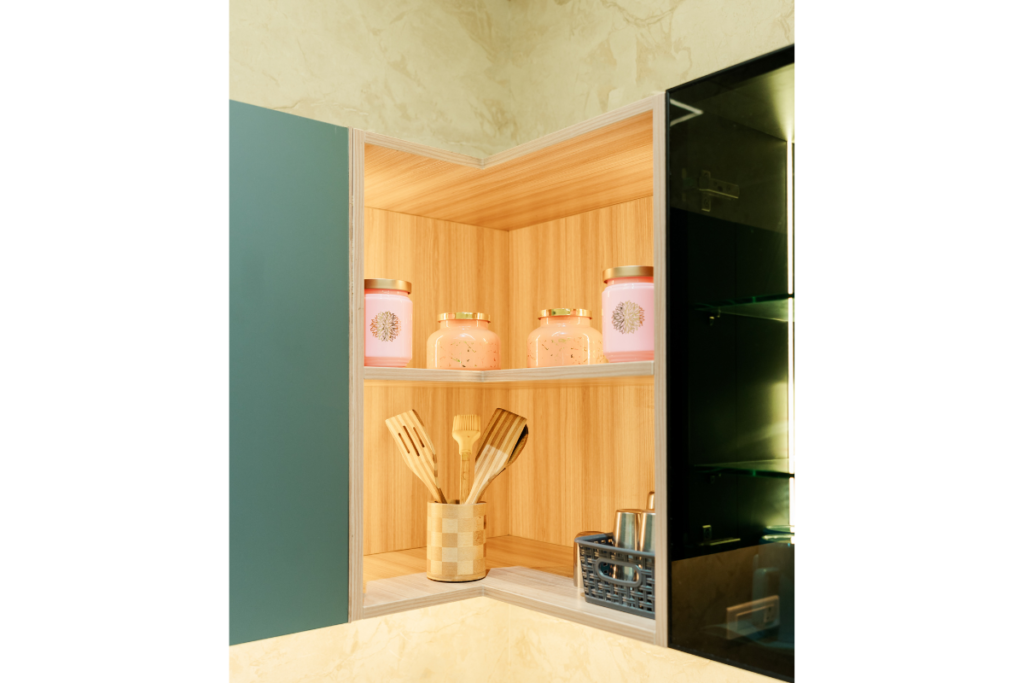
Conclusion: Is a Modular Kitchen the Right Choice for Your Home in Kanker?
A modular kitchen in Kanker can be an excellent investment in both the aesthetic and functionality of your home. However, it’s important to understand the hidden costs involved in the process, from customization fees to delivery and maintenance costs. By being mindful of these expenses and planning ahead, you can ensure that your kitchen renovation stays within budget while still providing the sleek, efficient, and modern kitchen you desire.
For those looking for the best modular kitchen in Kanker, Skyler World offers a wide range of high-quality options designed to fit every budget. Whether you’re renovating your current kitchen or starting from scratch, Skyler World provides personalized solutions that meet your specific needs and preferences.
Ready to transform your kitchen? Contact Skyler World today to learn more about modular kitchen designs that can elevate your home’s heart—your kitchen—without the hidden costs.